Field evidence
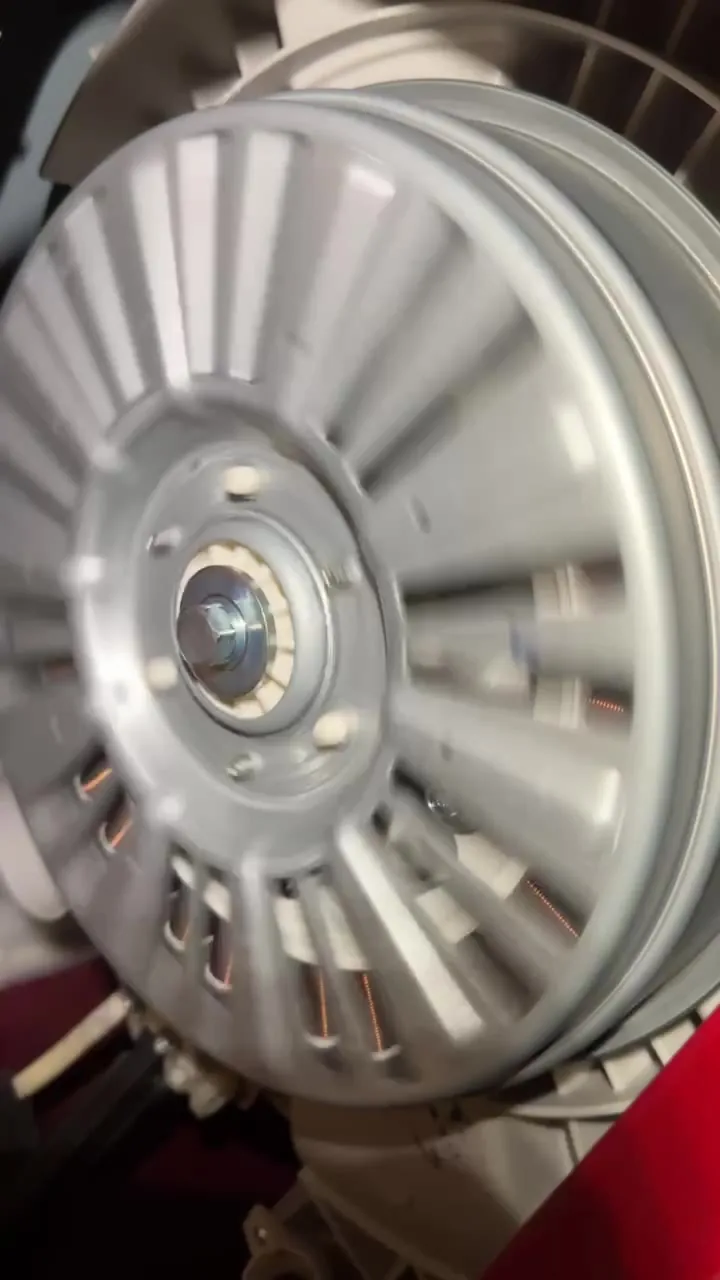
A Fourth Hall Sensor and New Harness Ended the Jerking
The washer moved after a board and Hall sensor, then jerked. A new stator did not solve it. Operation returned only after another Hall sensor and the sensor harness were installed together.
What each replacement revealed
- The drum initially rotated poorly and the control board later failed.
- A board and Hall sensor brought movement back, but it was jerky.
- A new stator and sensor produced no rotation.
- The older assembly could move only after a manual push.
- The drum had no reported bearing play.
- A fourth Hall sensor and a new sensor harness were installed together, after which operation returned.
A similar symptom can have a different cause on another direct-drive washer. This result supports the Hall-feedback circuit in this appliance, not the harness alone or automatic part replacement for every jerking drum.
Why the sensor still needed inspection
The discussion also raised two installation variables: a Hall sensor can be seated outside its groove or not fully latched, and replacement sensors can be defective. Multiple sensor attempts in this case made connector fit, harness continuity and part quality more important than another stator guess.
What to preserve for diagnosis
- Record whether the drum jerks, hums or moves only with assistance.
- List the exact board, stator and sensor parts already installed.
- Note whether the symptom changed after each replacement.
- Have connector seating and the harness checked before another motor assembly is ordered.
Electrical and mechanical safety: do not push the drum during an energized test or probe motor feedback circuits live. Disconnect power before rear access.
A repair that did not follow the obvious path
Recently published cases
Whirlpool F03 E01 with Drain Running Forever
A Whirlpool ran its drain forever, flashed the lock lamp and showed F03/E01 after a level-sensor connection changed. The signal path came first.
Whirlpool Refrigerator LEDs Dim Across the Cabinet
A Whirlpool refrigerator had dim LEDs throughout the cabinet and 2.6 VDC at a lamp. The upper freezer ceiling module became the first isolation …
Samsung C84 with No Compressor Power After a New Board
A Samsung kept C84 and no sustained compressor output after a new board. The case explains how compressor protection can make the control look …