Sud Appeared First, Then F35 Five Minutes Later
A new pressure sensor did not change the failure. That made the hose under pressure, its tub connection, the harness and the board more important than another blind sensor replacement.
What had already failed to solve it
- The pressure sensor had been replaced.
- The lower drain filter was cleaned.
- The washer reportedly drained water well.
- The pressure hose and its tub connection were removed, inspected and flushed.
- The wires between the sensor and board showed continuity.
A similar symptom can have a different cause on another washer. Sud and F35 together do not prove that one specific part has failed.
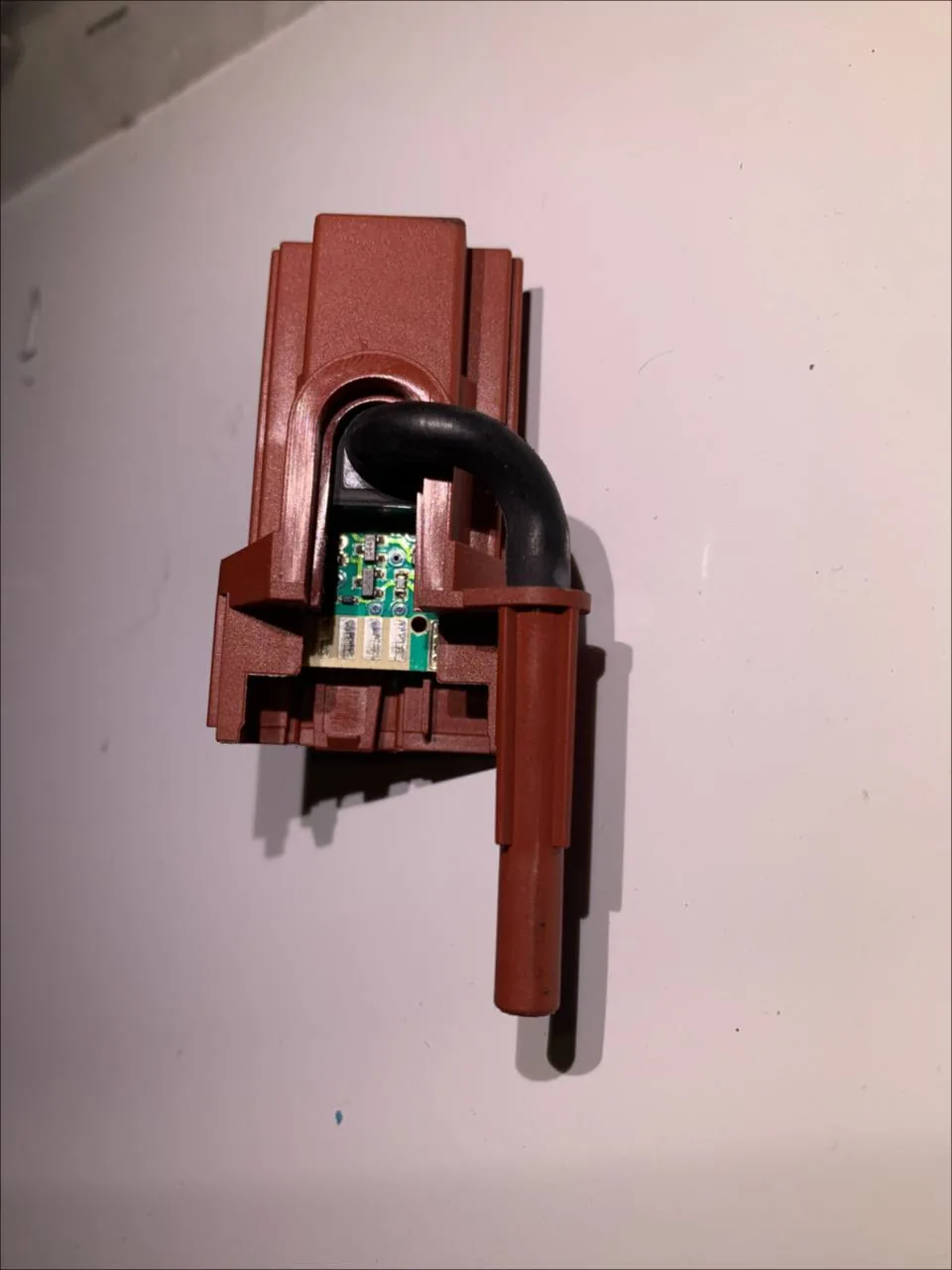
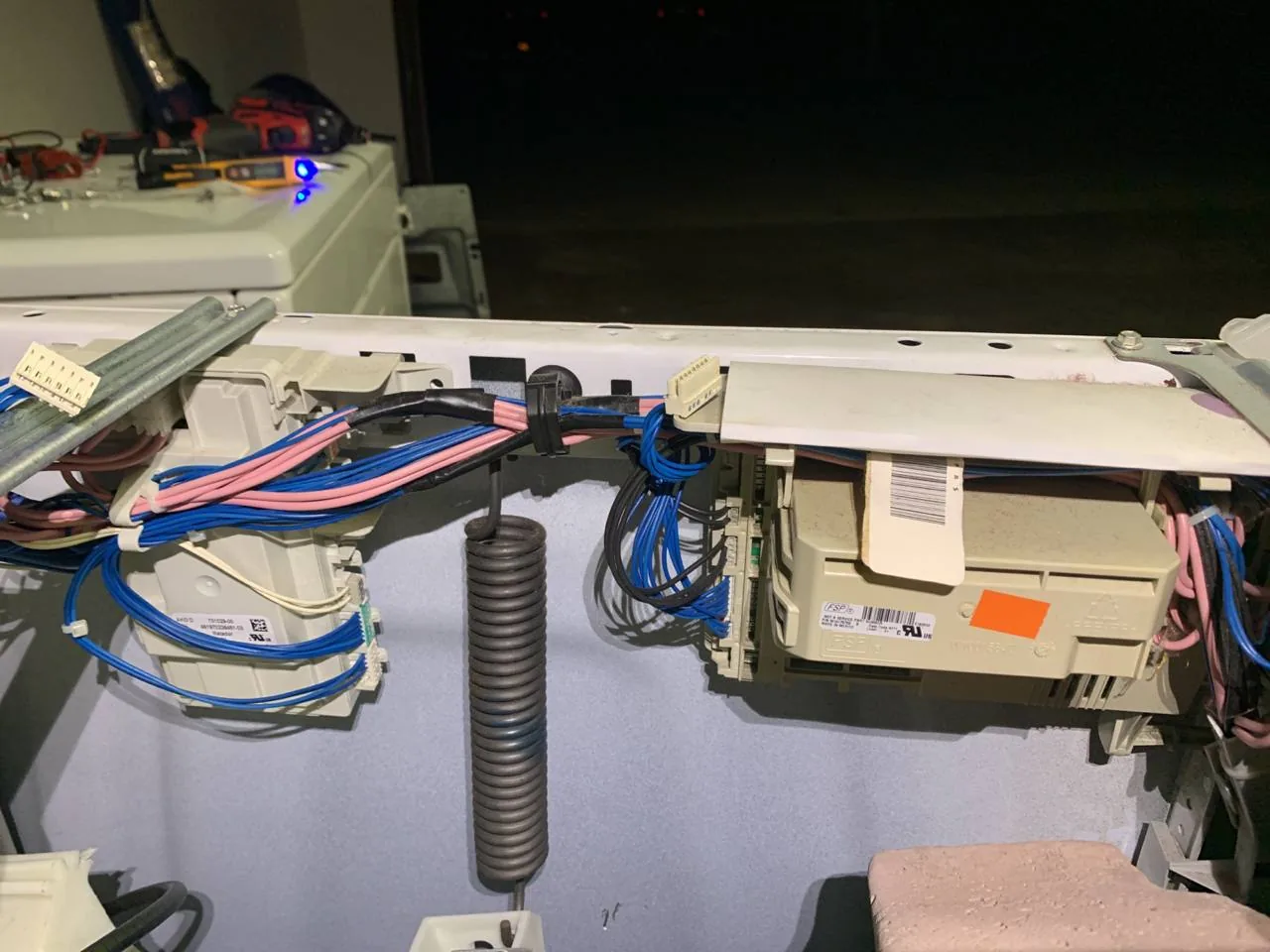
Why an open hose was not the whole test
Air passing through the hose ruled out a complete blockage. It did not rule out a tiny split that leaks only when the washer creates pressure. The discussion therefore kept a pressure-holding test and both hose endpoints in the diagnostic path.
A sealed package also did not prove that the replacement sensor was good. New-part failure remained possible, but replacing it again without comparing its signal would still be a guess.
What remained after those checks
- Prove that the hose holds pressure and does not leak at either connection.
- Verify the replacement sensor position and signal against the service sheet.
- Load-test the harness rather than relying only on static continuity.
- Evaluate the board input only after the pressure path is proven.
The conversation ended before a board, hose or second sensor result was reported.