The Door Did Not Open When Pressed, but the Small Tube Could Trigger Movement
That observation showed the system was not just a mechanical latch. The field discussion described a pump and pressure-operated path involving tubing, a trigger and a piston.
What the tube reaction established
Pressing the door produced no response even though the settings appeared correct. When the technician manipulated the small tube, the opening mechanism reacted. That connected the complaint to the pressure path rather than proving a failed display setting.
A similar symptom can have a different cause on another refrigerator. A setting, hinge, latch, trigger, tubing leak, pump or actuator can each prevent assisted opening.
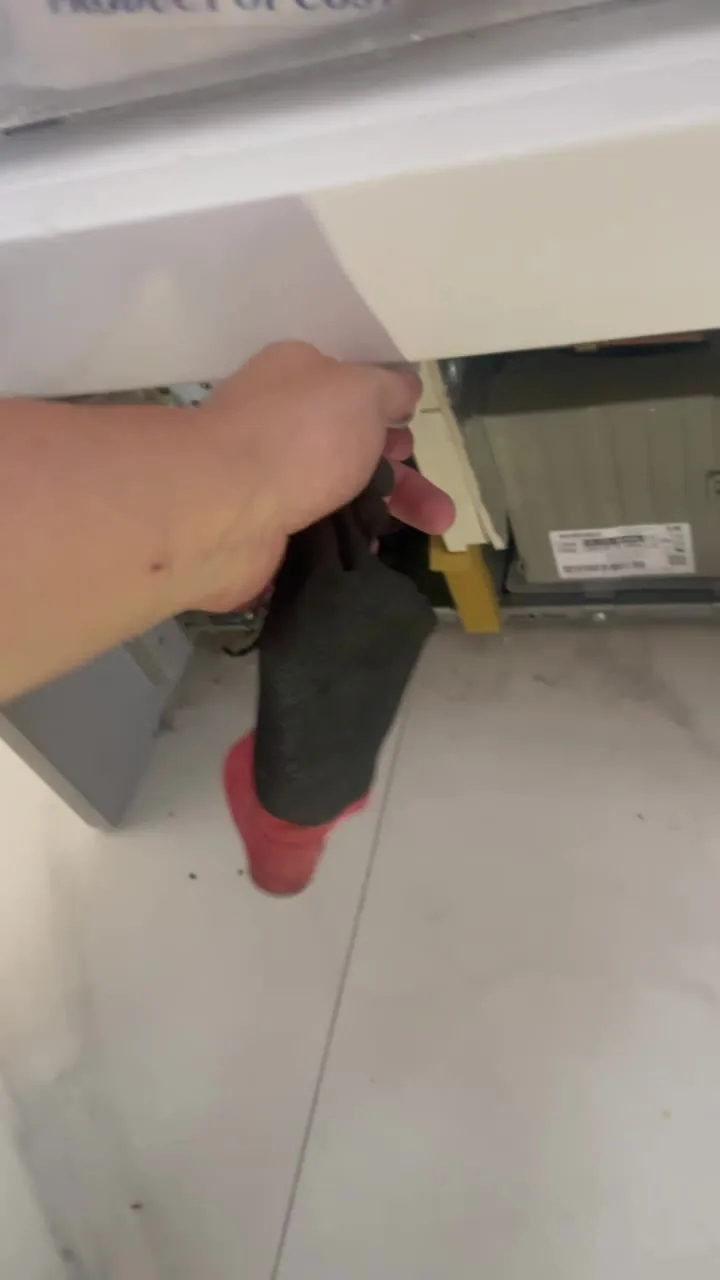
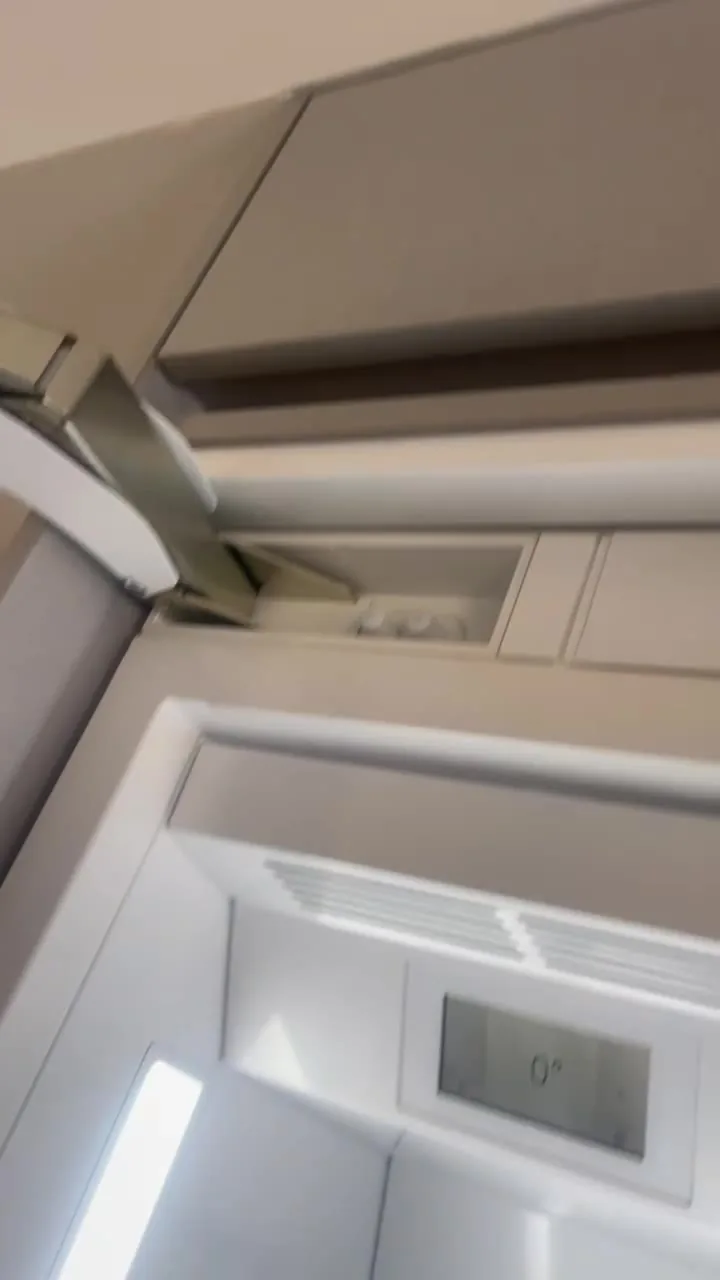
How the mechanism was described in the field
The discussion described a pump that charges the system and pressure changes created when the door is pressed. Those changes are detected and used to push the door outward. Later comments identified the tube, trigger and piston as parts of the repair scope.
Why the cause remains unconfirmed
Loss of pressure in the tube was considered likely, but the customer had only received an estimate. The source did not report a pressure test, replacement or restored opening. This page records the architecture and the observed tube response, not a confirmed failed part.