EC 50 Means the Refrigerator Compressor Has Been Running Too Long
It does not identify a failed compressor or a refrigerant leak by itself. The code records a run-time condition, and the compartment temperatures determine how urgently the cooling problem should be investigated.
What the code establishes
Sub-Zero defines EC 50 as excessive refrigerator compressor run. The control has seen the refrigerator-side compressor run longer than expected while trying to satisfy temperature. A similar symptom can have a different cause on another model, so EC 50 is a direction for diagnosis rather than a parts order.
If temperatures are high, preserve the displayed code and arrange service. If temperatures are near normal, safe first observations include door closure, condenser cleanliness and whether cabinet ventilation is blocked.
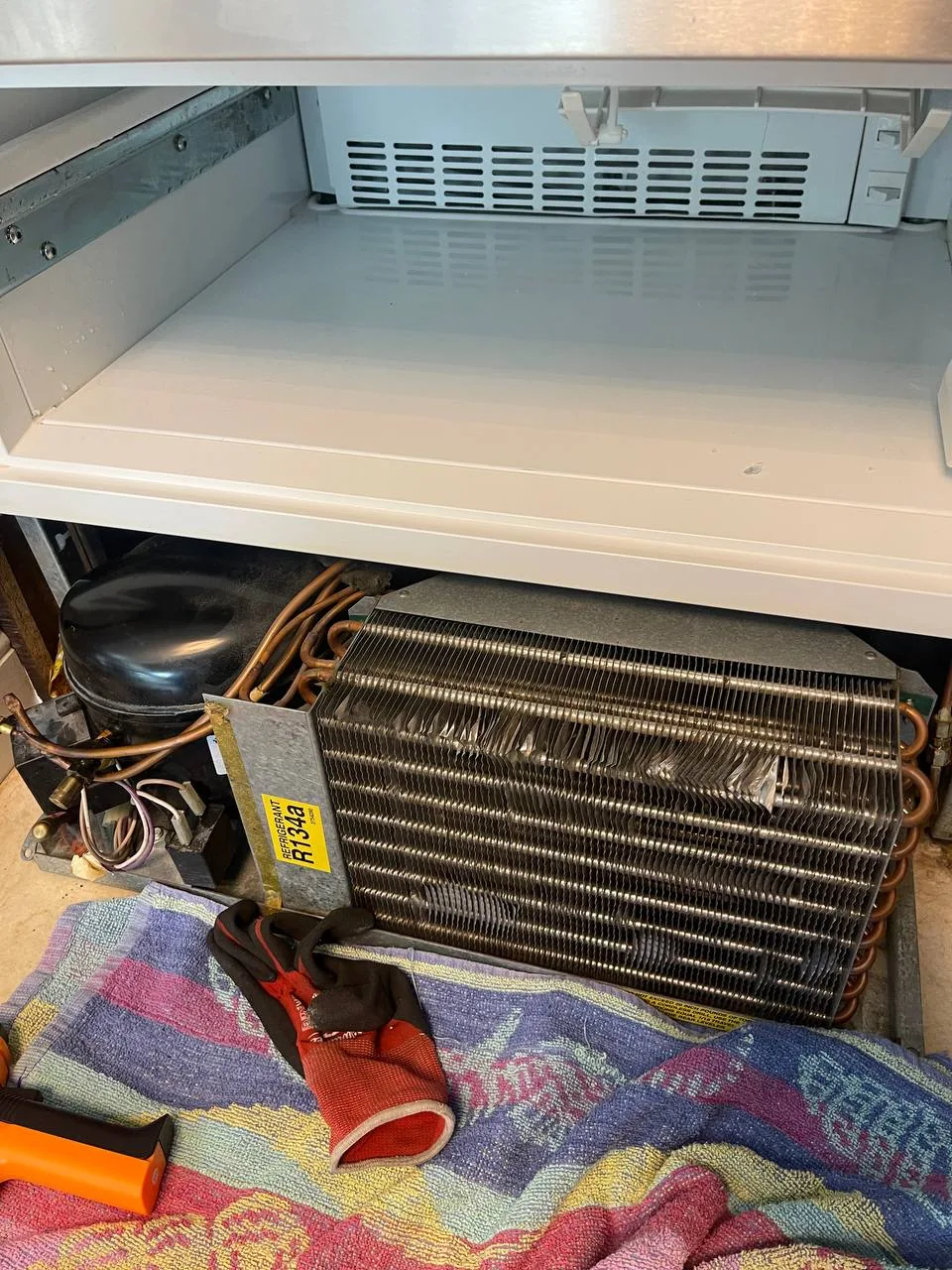
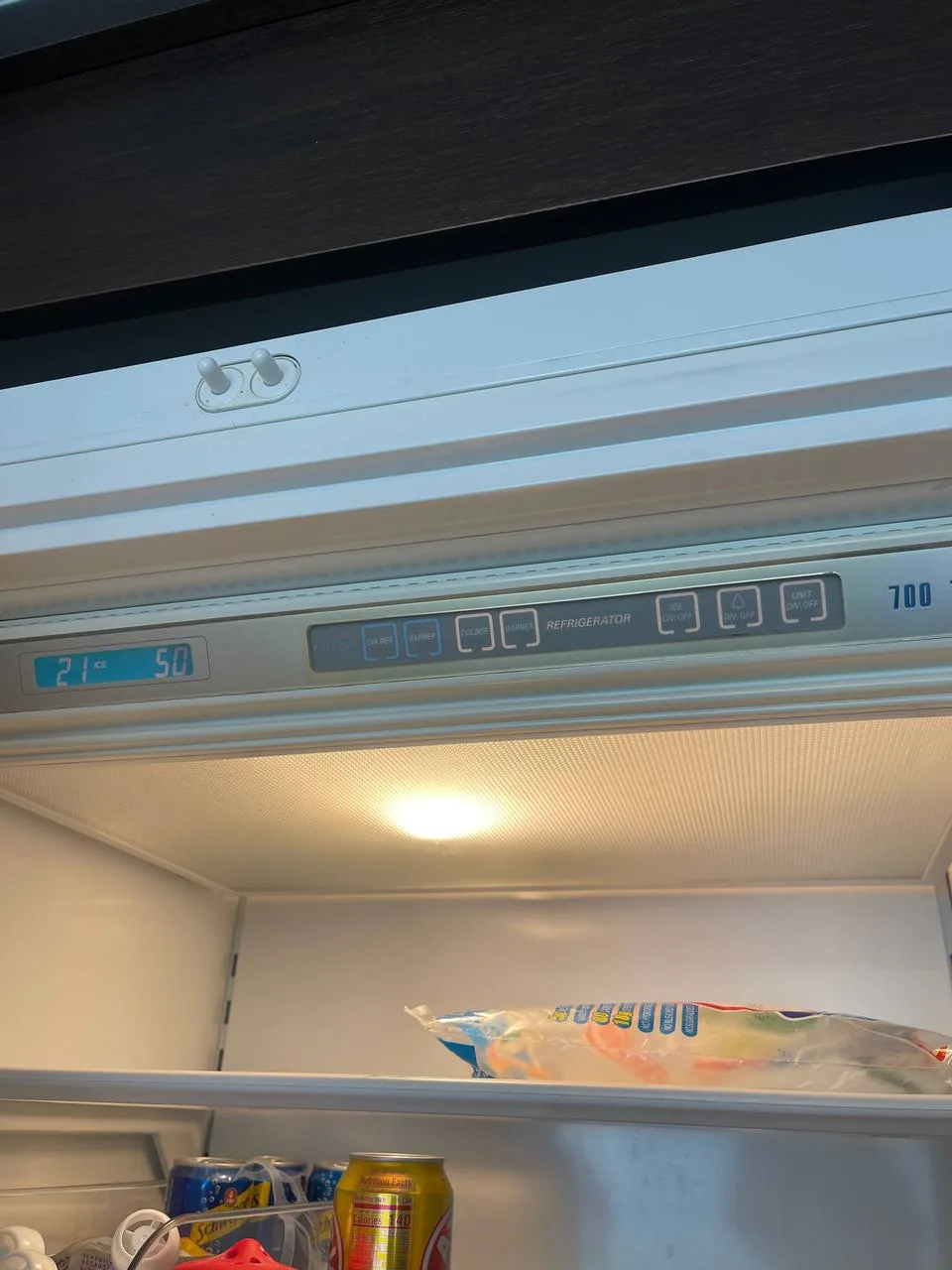
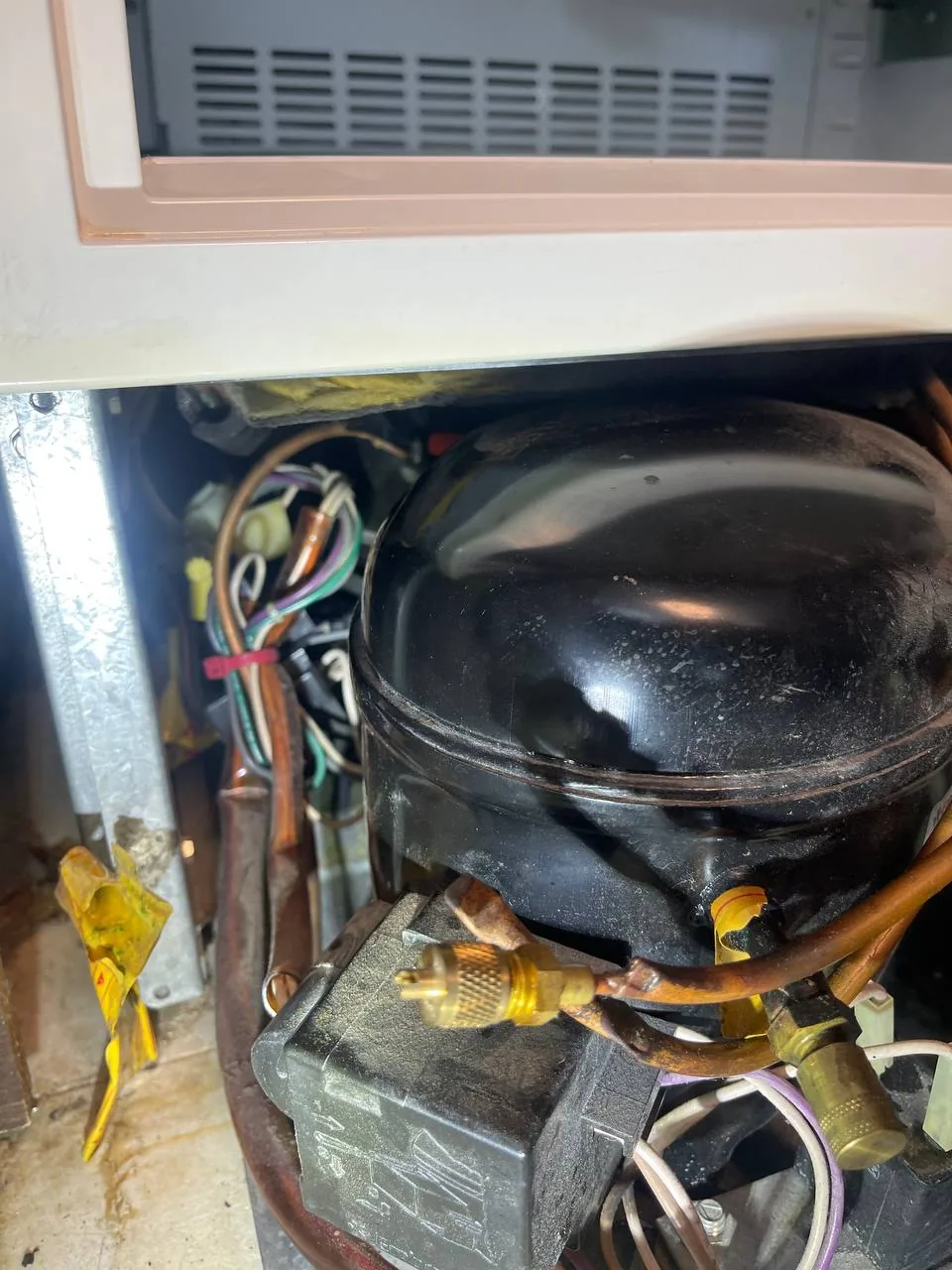
What two real discussions added
650F: both sections were above their targets
The reported display was 23°F and 53°F. Both compressors and all fans were said to be operating, so the discussion moved toward loss of cooling capacity. An evaporator leak was proposed but not confirmed.
A prior defrost parts replacement did not explain 52°F
The freezer was cooling again, but the fresh-food section remained at 52°F. Both fans ran and both compressor shells were reported at 97–100°F. The thread ended before the decisive sealed-system or control test.
How the next diagnosis is narrowed
- Record actual freezer and refrigerator temperatures with a separate thermometer.
- Check doors, visible airflow obstructions, condenser cleanliness and cabinet ventilation.
- Confirm which compressor and fans are commanded to run on the exact model.
- Compare sensor readings and run-time history with measured temperatures.
- Only then evaluate refrigerant charge, restrictions and evaporator leakage.
Running components do not prove that the system is moving enough heat. They only remove the simplest “nothing is operating” explanation.
If the refrigerator section is warm in Orange County, you can compare the temperature pattern with the Sub-Zero not-cooling guide for Orange County. The temperature split helps prepare the visit; it does not predict the same cause found or suspected in another refrigerator.
Does EC 50 mean the compressor is bad?
No. It reports excessive refrigerator-compressor run time. Airflow, heat rejection, sensors, controls and the sealed system can all affect whether temperature is reached.
Should the code be cleared immediately?
Keep the code available when temperatures are high or rising. When temperatures are near normal, follow the reset guidance for the exact Sub-Zero series after checking condenser airflow and doors.