One Compressor, Two Evaporators and Two Very Different Temperatures
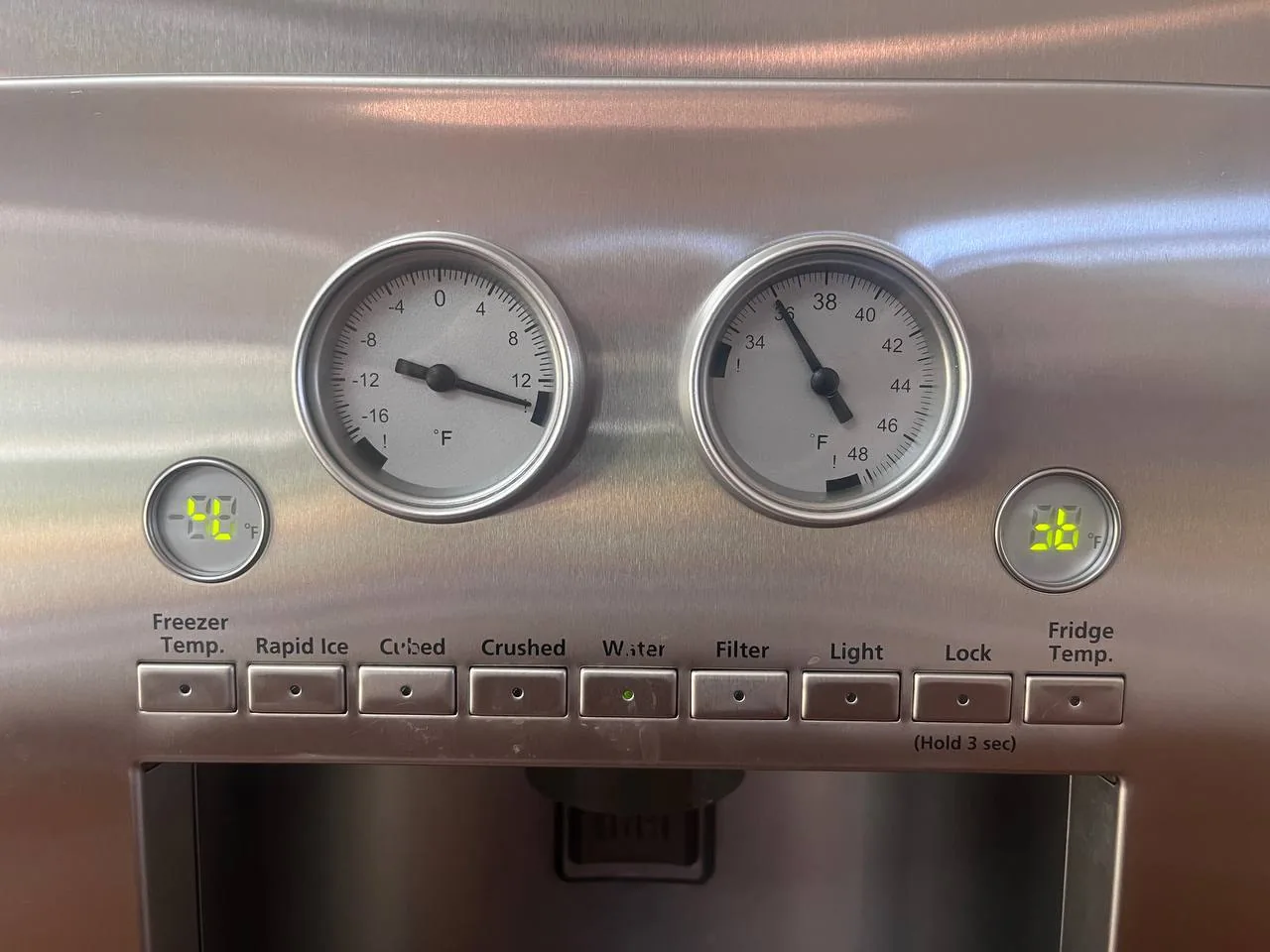
The refrigerator held 36°F while the freezer measured 44°F. Its freezer fan ran, but the air was barely cold, so the case focused on the freezer cooling branch rather than declaring the shared compressor dead.
What the temperature split established
The fresh-food section demonstrated that the system could produce useful cooling somewhere. Because this platform used two evaporators, the warm freezer still required inspection of its own airflow and refrigerant path.
A similar symptom can have a different cause on another refrigerator. A fan, ice blockage, valve, sensor, control or sealed-system restriction can isolate one compartment.
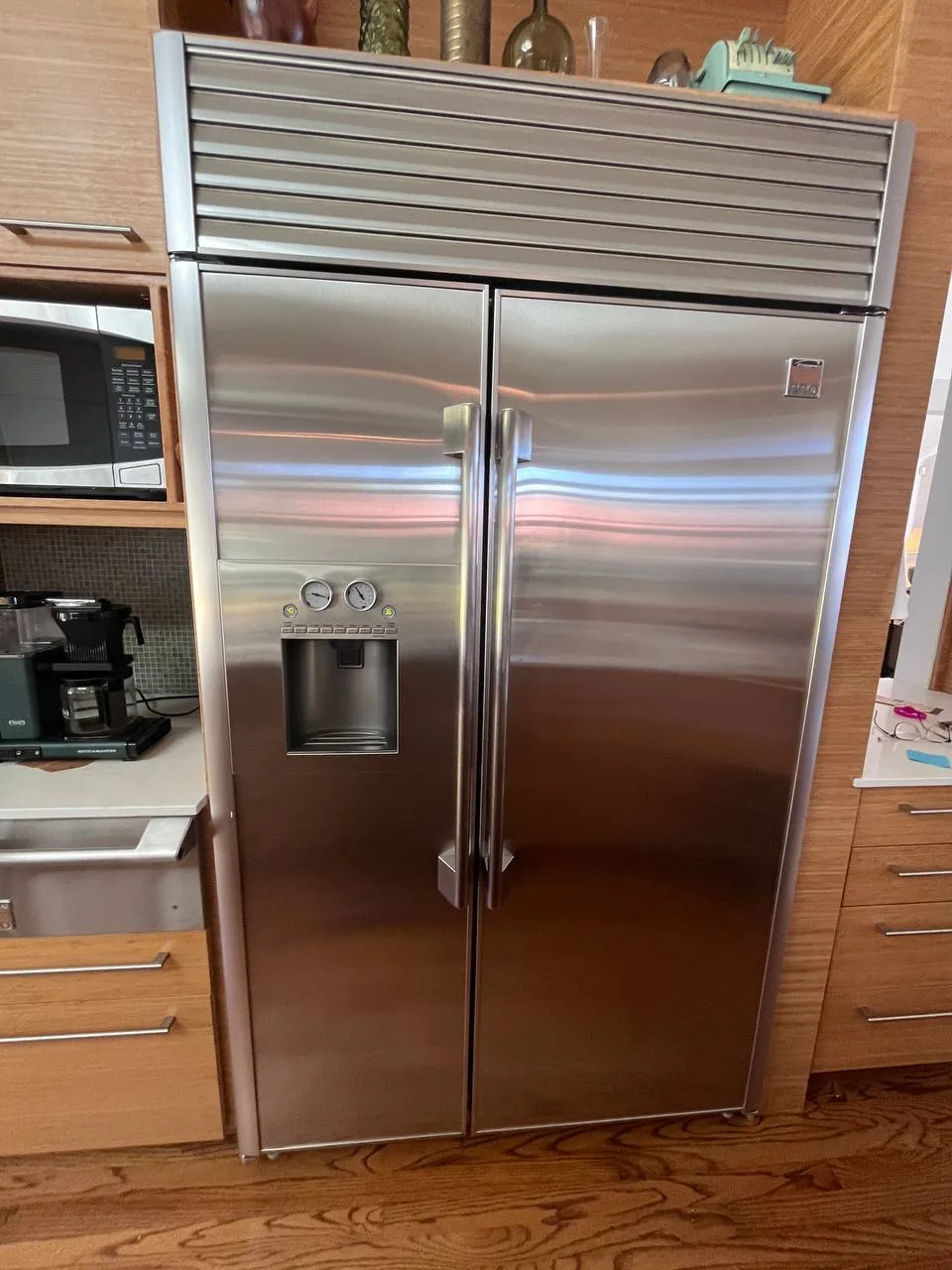
Why a running freezer fan was not enough
The fan operated, but the discharged air was only slightly cold. That made a completely dead fan less likely while leaving coil temperature, refrigerant distribution and hidden ice unresolved. The evaporator was buried above the compartment and required removal of the ice system for access.
The technician chose not to guess
A freezer-circuit restriction was proposed, but the evaporator had not been exposed and no leak or restriction was measured. The technician declined the repair instead of selling an unconfirmed evaporator. No final cause was reported.